Heat Restored When Systems Fail
Furnace Repair in Lodi for homes experiencing no heat, inconsistent heating, or unusual furnace operation during cold weather
When Central Valley temperatures drop overnight and your furnace won't ignite, cycles on and off without heating, or produces weak airflow that barely warms the house, the cause often involves ignition system failures, airflow restrictions, or worn components that prevent safe operation. Modern furnaces include safety controls that shut down the system if flame sensors detect improper combustion, pressure switches sense blocked vents, or limit switches register overheating—these shutdowns protect your home but leave you without heat until the underlying problem gets fixed. Total Heating & Air Conditioning, Inc diagnoses and repairs heating issues across a wide range of furnace brands and models throughout Lodi, focusing on safe, reliable operation that restores comfort quickly.
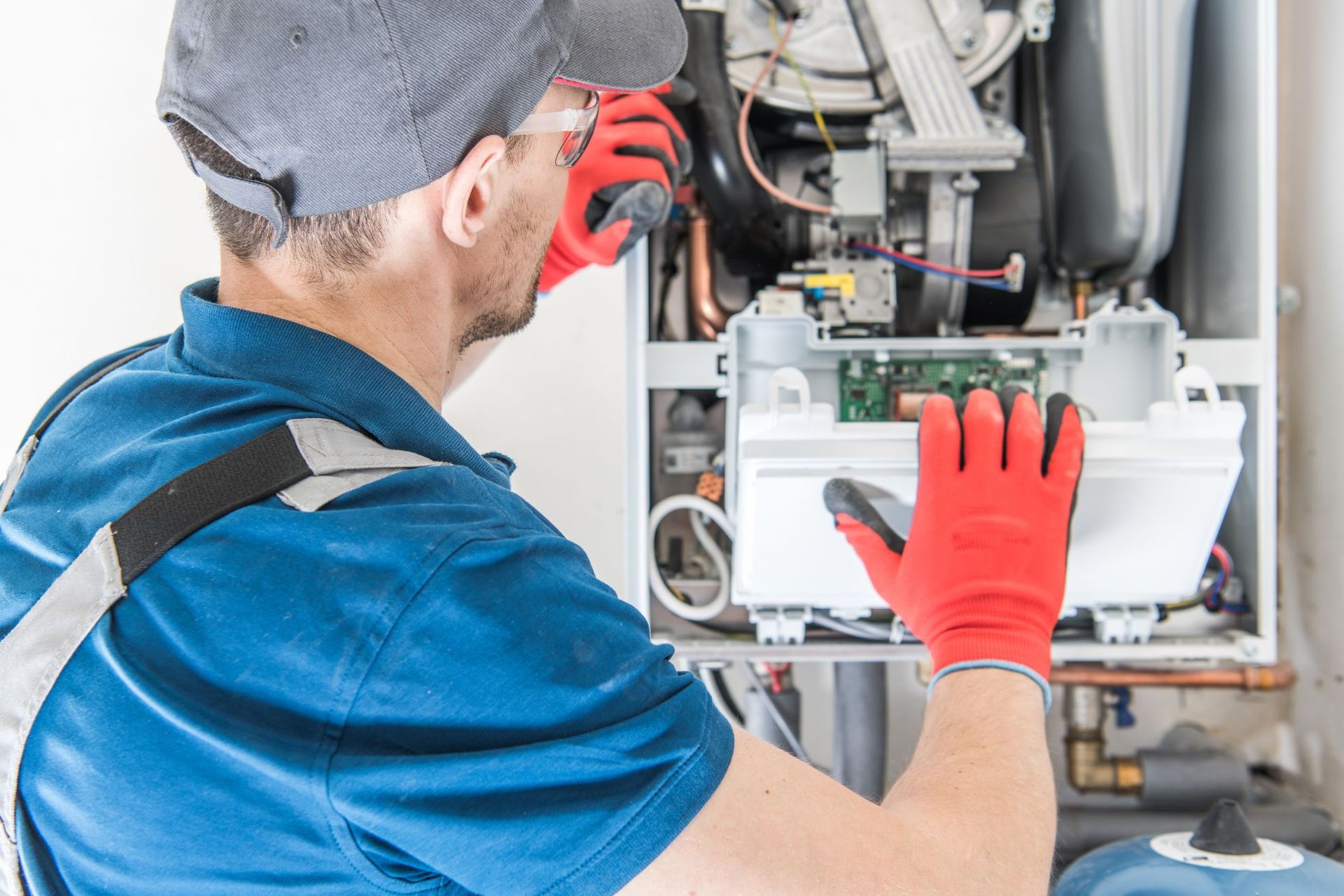
Repair work addresses common furnace problems including faulty igniters that prevent burners from lighting, dirty flame sensors that falsely signal combustion problems and shut down the system, clogged air filters or blower issues that restrict airflow and trigger limit switches, and cracked heat exchangers that pose safety risks and require immediate replacement. In homes where the furnace runs but doesn't heat effectively, the issue might involve a malfunctioning gas valve, thermostat wiring problems, or ductwork leaks that allow heated air to escape before reaching living spaces.
Schedule a furnace inspection to identify heating problems and receive honest repair recommendations before the coldest weather arrives.
Why Proper Furnace Repair Matters Long-Term
Addressing furnace problems correctly means fixing the actual cause rather than resetting the system repeatedly or replacing components that aren't truly failed. For example, a furnace that ignites briefly then shuts off might have a dirty flame sensor—a simple cleaning resolves the issue, while replacing the entire ignition assembly would waste money without solving the problem. Accurate diagnosis prevents unnecessary part replacement and ensures the repair actually restores normal function.
After repair, your furnace ignites reliably on the first call for heat, maintains consistent temperatures throughout the home, and runs complete heating cycles without short-cycling or shutting down prematurely. Airflow from vents feels warm and strong rather than barely lukewarm or intermittent, and the system operates quietly without rattling, rumbling, or whistling sounds that indicate mechanical problems or airflow restrictions. You'll also notice improved energy efficiency once the furnace stops compensating for failed components by running longer cycles or working harder to produce adequate heat.
Proper repair work extends furnace lifespan by preventing small issues from causing secondary damage—ignoring a cracked heat exchanger, for instance, risks carbon monoxide exposure and eventual complete system failure, while addressing blower motor problems early prevents overheating that damages the control board. The service includes upfront pricing and clear explanations of what failed, why it matters, and whether repair makes sense given the furnace's age and overall condition.
Common Questions About This Service
Homeowners dealing with furnace failures want to understand what went wrong and how quickly heat can be restored during cold weather.
1
Why won't my furnace ignite when the thermostat calls for heat?
Failed ignition typically results from a bad igniter that won't heat up enough to light the gas, a malfunctioning gas valve that doesn't open, or a flame sensor so dirty it falsely signals a combustion problem and shuts down the system for safety. Diagnosing which component failed requires testing each part of the ignition sequence.
2
What causes a furnace to cycle on and off repeatedly?
Short cycling usually indicates airflow restrictions from clogged filters or blocked vents, a malfunctioning limit switch that shuts down the system prematurely, or an oversized furnace that heats too quickly and satisfies the thermostat before completing a full cycle. Persistent short cycling damages components through excessive startups and shutdowns.
3
How do I know if a furnace repair is worth the cost?
If your furnace is less than 12 years old and the repair involves standard wear items like igniters, flame sensors, or blower motors, repair usually makes sense. Furnaces older than 15 years requiring expensive fixes like heat exchanger replacement often cost more to repair than they're worth compared to new, efficient equipment.
4
What safety issues should I watch for with furnaces?
Yellow or flickering burner flames instead of steady blue flames, soot buildup around the furnace cabinet, and persistent burning smells all suggest combustion problems that need immediate attention. Never ignore these signs, as they can indicate cracked heat exchangers or venting issues that risk carbon monoxide exposure.
5
When should furnace repairs be scheduled in Lodi?
Addressing heating problems during fall before temperatures drop prevents emergency service calls during winter cold snaps when HVAC companies are busiest and repair parts may face supply delays. Regular maintenance before heating season catches potential failures early while they're still minor issues.
Total Heating & Air Conditioning, Inc provides fast response times and clear repair assessments to restore safe, reliable heating when your furnace fails. Reach out to arrange service when your system stops heating properly or shows signs of malfunction.