Systems That Keep Business Operations Running
Commercial HVAC in Lodi for offices, retail spaces, and facilities where temperature control affects daily operations
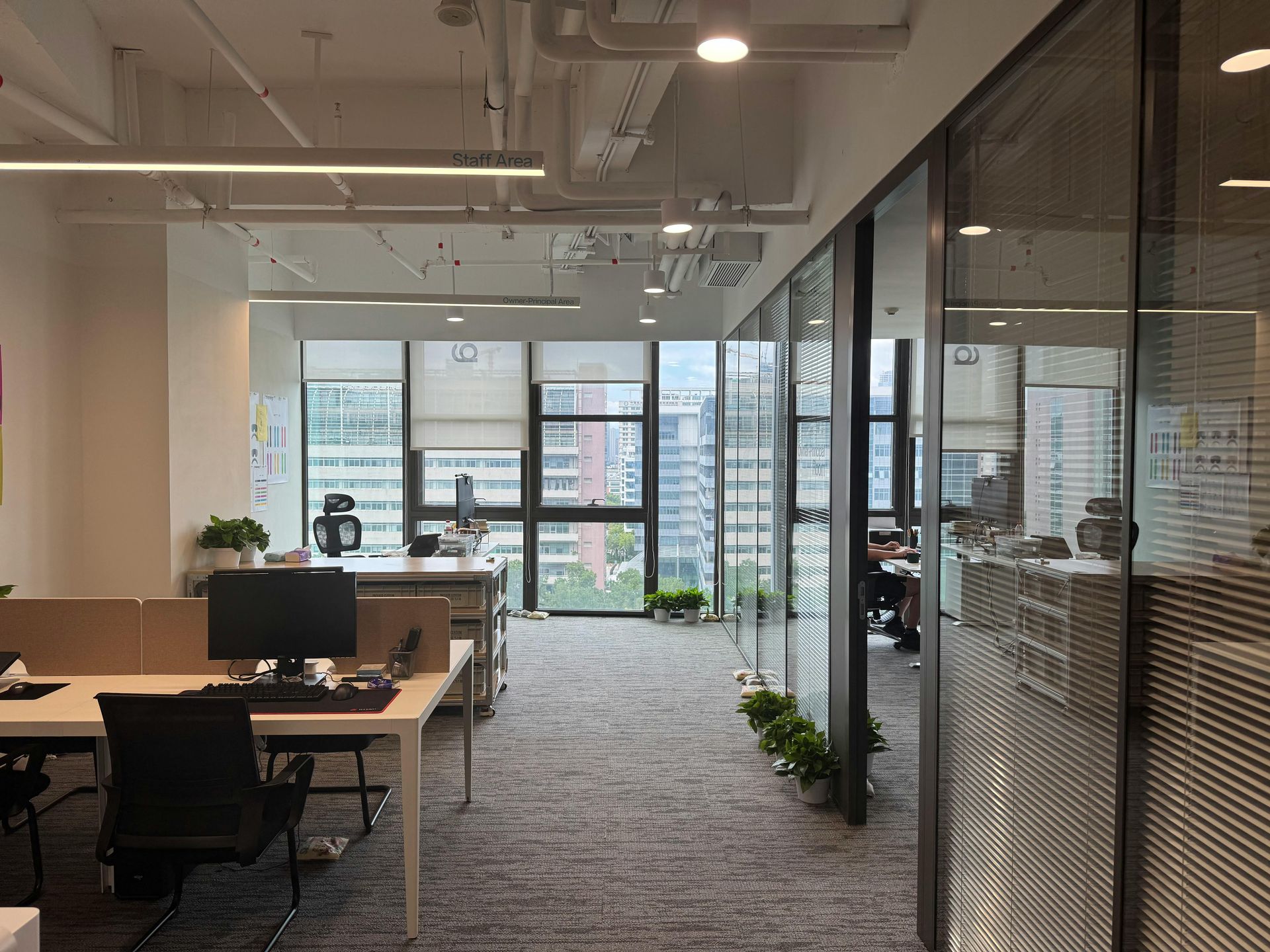
Climate control failures in commercial spaces don't just affect comfort—they disrupt workflow, drive customers away, and damage inventory sensitive to heat or humidity. Total Heating & Air Conditioning, Inc works with business owners and property management teams across Lodi to maintain, repair, and install HVAC systems in offices, retail locations, and small to mid-size facilities. Commercial systems operate under different demands than residential equipment, running longer hours, serving larger spaces, and requiring coordination around business schedules to minimize downtime.
The service includes diagnosing complex system issues, performing scheduled maintenance to prevent failures during peak business hours, and installing new equipment when expansion or replacement becomes necessary. Unlike residential work, commercial HVAC often involves rooftop units, multiple zones with independent controls, and integration with building management systems that monitor performance. In Lodi's Central Valley climate, where summer temperatures strain cooling systems and winter mornings require immediate heat, equipment reliability directly affects whether a business can open on time and operate normally.
Arrange an on-site evaluation to review your facility's current system performance and identify maintenance needs.
How Commercial Service Addresses Operational Demands
Commercial HVAC work prioritizes minimizing disruption to business operations, which often means scheduling repairs during off-hours, coordinating with multiple stakeholders, and maintaining backup plans when systems require extended service. Diagnosing problems in commercial settings involves understanding how the system interacts with building occupancy patterns, equipment heat loads from computers or machinery, and ventilation requirements that differ from residential standards. For example, a retail space with frequent door openings loses conditioned air faster than a sealed office, requiring adjustments to runtime and airflow that wouldn't apply in a home setting.
Once service is complete, you'll notice consistent temperatures throughout operating hours, reduced energy waste from systems that previously ran continuously to compensate for underlying problems, and fewer emergency calls during business-critical periods. Employees work comfortably without adjusting personal fans or space heaters, customers stay longer in properly cooled retail environments, and temperature-sensitive products or equipment remain within acceptable ranges. Responsive support when problems arise means a technician evaluates the issue quickly and provides repair options that account for your operational timeline, not just the mechanical fix.
The service includes clear communication and planning to support business continuity—discussing expected downtime, coordinating access to mechanical rooms or rooftop equipment, and providing maintenance schedules that align with your facility's calendar. Regular maintenance contracts often make more sense for commercial clients than reactive service calls, as scheduled inspections catch wear before it causes failures during peak occupancy or extreme weather when replacement parts may not be immediately available.
Common Questions About This Service
Business owners and property managers typically want to understand service logistics and how HVAC work fits into operational planning.
1
What's the difference between commercial and residential HVAC service?
Commercial systems run longer hours under heavier loads, require coordination with building access and occupancy schedules, and often involve multi-zone controls or rooftop units that demand different diagnostic approaches than residential split systems. The work also prioritizes minimizing business downtime over convenience scheduling.
2
How often should commercial systems receive maintenance?
Most commercial HVAC equipment benefits from quarterly inspections rather than the annual or semi-annual schedules common in residential settings, as extended runtime accelerates wear on filters, belts, and mechanical components. Facilities with high occupancy or 24/7 operations may require even more frequent service.
3
What happens if the system fails during business hours?
Fast response times and diagnostic efficiency become critical—identifying whether the issue requires a simple reset, component replacement, or temporary workaround until parts arrive. Having an established service relationship means faster dispatch and familiarity with your specific equipment configuration.
4
Why do commercial energy bills vary so much month to month?
Beyond weather-driven demand, commercial costs fluctuate based on occupancy patterns, changes in equipment loads, and system inefficiencies like refrigerant leaks or damper problems that force units to overcool or overheat to compensate. Monitoring these trends helps identify problems before they escalate.
5
How does Lodi's climate affect commercial system performance?
Central Valley heat stresses rooftop units exposed to direct sun, causing compressors and condenser fans to work harder and fail sooner than equipment in shaded or climate-controlled locations. Regular inspections catch early signs of heat-related wear before complete system failure during peak cooling season.
Total Heating & Air Conditioning, Inc provides reliable service schedules and responsive support tailored to your facility's operational needs. Contact the office to discuss maintenance planning or address current system concerns affecting your business.